





Drinking water quality
Contents |
[edit] Introduction
The term ‘potable water’ refers to water that is safe for humans to drink. This may be referred to as ‘drinking water’.
The term ‘water quality’ refers to the chemical, physical and biological composition of water in relation to the use that it is intended for.
[edit] England and Wales
Drinking water quality is overseen in England and Wales by the Drinking Water Inspectorate (DWI). The Drinking Water Inspectorate is part of the Department for Environment, Food and Rural Affairs (Defra). It was formed in 1990 to provide independent assurance that water supplies in England and Wales are safe and that drinking water quality is acceptable to consumers.
Issues with drinking water quality should be reported to water companies unless it is privately supplied. In those instances, problems should be reported to the environmental health department of the local council.
In England and Wales, drinking water quality standards include wide safety margins for:
- Micro-organisms.
- Chemicals such as nitrates and pesticides.
- Metals such as lead and copper.
- The way water looks and how it tastes.
[edit] Scotland
The Scottish counterpart to the DWI is the Drinking Water Quality Regulator for Scotland (DWQR).
In Scotland, the quality of drinking water is tested against 10 key parameters:
- Coliforms.
- E.coli.
- Iron.
- Turbidity.
- Manganese.
- Lead.
- Hydrogen Ion (pH).
- Colour.
- Aluminium.
- Trihalomethanes (THMs).
Local water can be checked on the Scottish Water Website.
[edit] Related articles on Designing Buildings
Featured articles
Check out some of the best features and news from Designing Buildings as well as key stories from around the web.

Your guide to The Construction Reset at UKCW Birmingham.

Accommodating the Victorian and Edwardian working woman. Book review.
Rethinking passive fire protection in design

PFP demands the same level of design rigour as structure or services.

38% of Gen Zs feel safe when a fire door is wedged open.
Stunning images from around the world
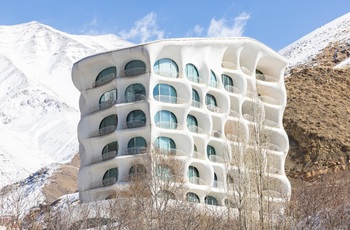
Shortlist for CIOB’s Art of Building photography competition.

Guidance for conversion of traditional pre-1919 stone buildings.
Industrial heritage in the Ruhr

A marked difference to the fate of industrial landscapes in the UK.
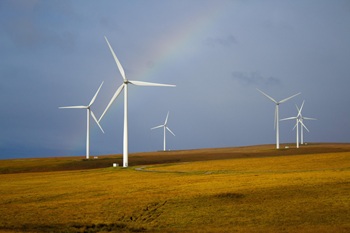
Communities will be able to build their own clean energy.
Why diversity and inclusion matters for SMEs

CIOB’s D&I Charter shows how practical changes can support long-term growth.
Cut electricity bills to power growth

Coalition sends joint letter to the Chancellor.

Gasholders: a history in pictures. Book review.
Recognition, influence and growth
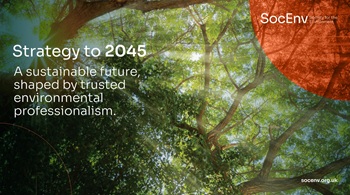
SocEnv identifies three strategic pillars in new strategy to 2045.